
EN / PT

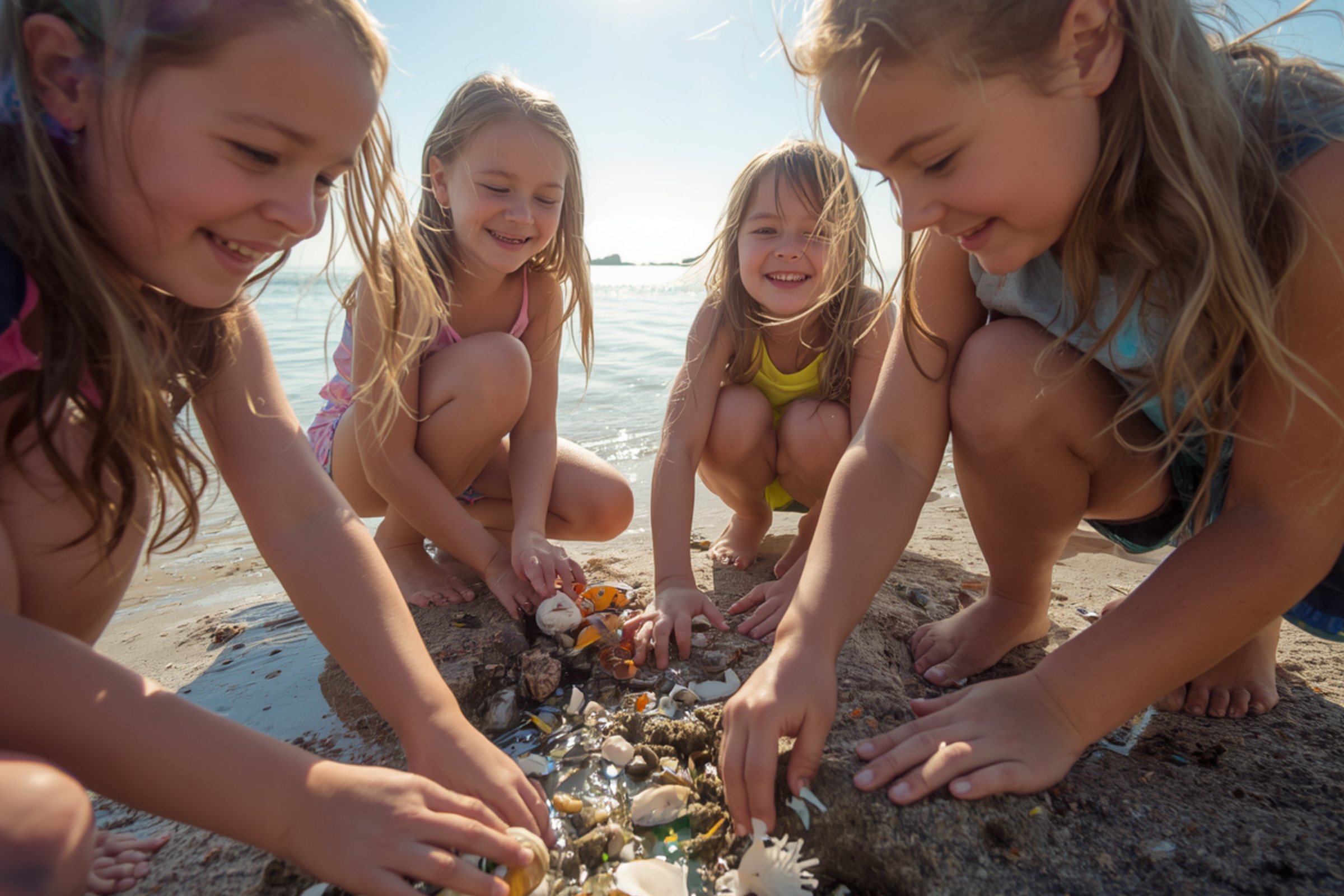
On June 8th, on World Oceans Day, we celebrate the blue vastness that covers our planet and, above all, the future of the next generations. Educating little ones about sustainability and marine preservation does not need to be a complex or theoretical task. On the contrary, a love for nature is born from practical experiences, respect, and daily example.
At Baby Sisters Portugal, we believe that today's children are tomorrow's guardians of the world. In this article, we share practical, safe strategies aligned with positive education to cultivate ecological awareness in your children during beach trips and within the family routine.
How to encourage children to protect the ocean?
To develop a solid environmental awareness during childhood, the focus must be on empathy and observation, transforming preservation into an enriching and completely safe experience. Here are three fundamental approaches that you can start applying today:
1. Practicing conscious observation: The "Nature Detective"
Instead of focusing attention on waste collection (which can raise legitimate hygiene and safety concerns for parents), encourage your child to be an attentive observer.
How to apply: Create the "Nature Detective" game. Challenge your child to identify shells, footprints of seabirds, or different types of algae by the shore. Explain that, at the beach, our only goal is to leave footprints and take memories, respecting the natural habitat of all species without disturbing it.
2. Replacing single-use plastics in the beach routine
Reducing single-use plastic is one of the most direct ways to prevent marine pollution. Involving children in this choice gives them a sense of shared responsibility.
How to apply: Before leaving the house, prepare the snacks together with your child. Replace disposable plastic bottles with reusable stainless steel bottles and use durable lunchboxes instead of cling wrap. Explain to them, in a simple way, how this small gesture prevents plastic from travelling to the ocean and harming marine animals.
3. Awakening empathy through children's literature
Knowledge breeds protection. When a child understands the secret life of sea inhabitants, they develop a natural desire to protect them.
How to apply: Dedicate bedtime reading to illustrated books about marine life, coral reefs, or the journeys of sea turtles. Stories that humanize marine fauna are excellent tools for consolidating the values of ecological preservation in a playful manner.
Frequently Asked Questions on Children's Environmental Education
What is the importance of teaching ocean preservation in childhood? Teaching ocean preservation in childhood lays the foundation for lifelong ecological behavior. Children who develop empathy for the environment early on tend to become more conscious, responsible, and proactive adults in adopting sustainable practices.
How to talk about ocean pollution with children without causing eco-anxiety? To address marine pollution without causing anxiety, the conversation should focus on solutions and positive actions, rather than emphasizing a scenario of destruction. Use simple language, focus on the impact of small daily gestures, and show that every action counts toward protecting the animals they love so much.