
EN / PT

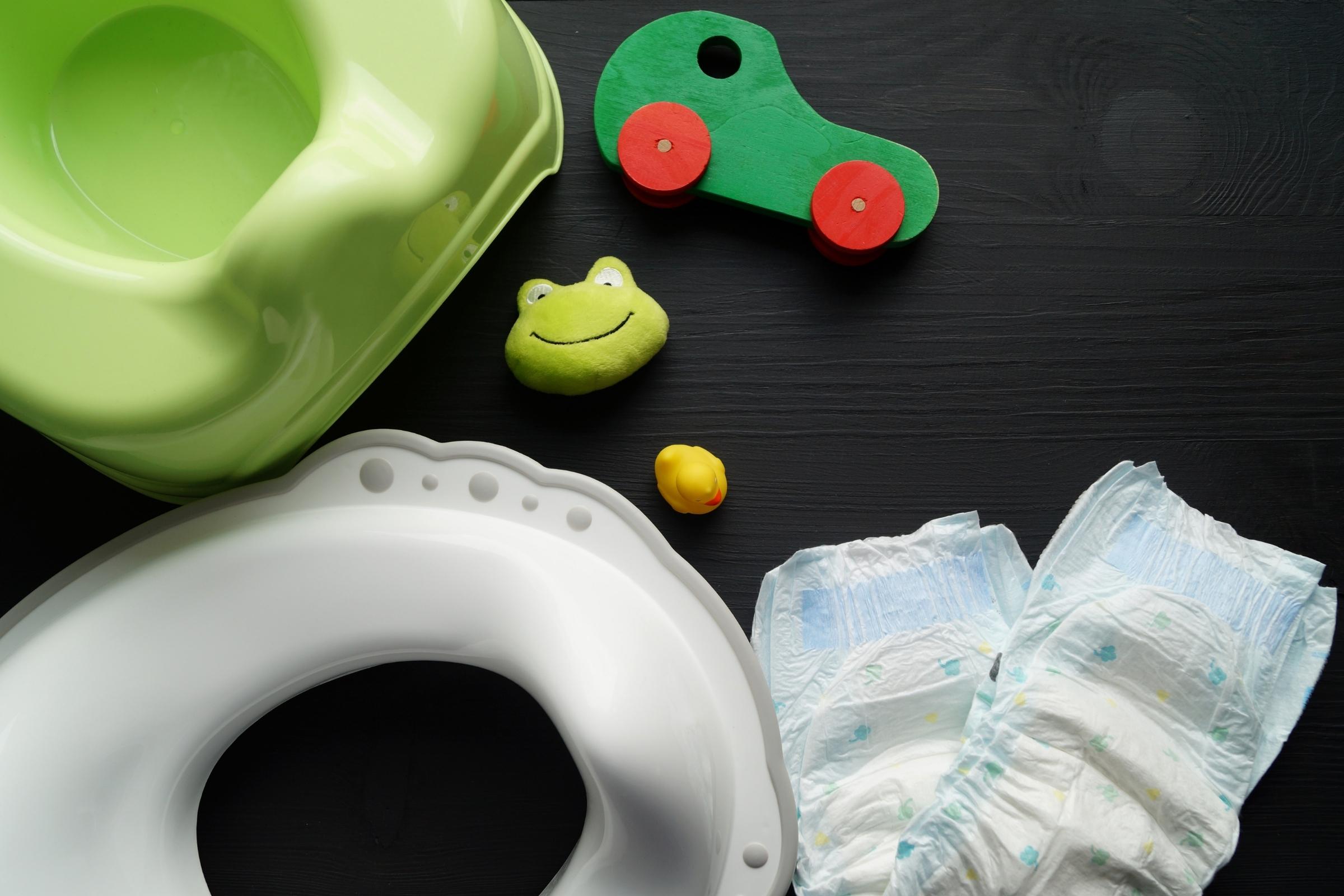
Potty training is one of the great milestones of early childhood and also one of the stages that causes parents the most doubt (and anxiety). When should you start? What if they're not ready yet? And what about wetting the bed?
The truth is there's no single formula: every child has their own pace, and the secret lies more in readiness than in age. We've gathered the essentials in this guide to help you navigate this stage calmly.
Note: this article is for information only and does not replace your paediatrician's advice. If you notice persistent constipation, pain, blood in the stool, or a marked and prolonged regression, speak to your doctor.
When should you start potty training?
There's no fixed age! Most children show readiness between 2 and 3 years old, but what really matters are the signs of readiness, not the number of candles on the cake. Pushing before a child is ready tends to drag the process out and create resistance.
What are the signs a child is ready?
Look for several of these signs (they don't all need to be present):
Keeps the nappy dry for longer stretches (2 to 3 hours) or after a nap.
Shows discomfort with a dirty nappy and asks to be changed.
Communicates that they're about to wee or poo (or that they already have).
Shows interest in the toilet and in copying adults or siblings.
Can pull clothes up and down and sit on and get off the potty by themselves.
How do you potty train, step by step?
The most effective approach is gradual, positive and pressure-free:
Choose a calm time, without big changes under way (moving house, a new sibling, starting nursery).
Introduce the potty or toilet trainer seat and let your child get used to it.
Dress them in easy-to-remove clothes that give them autonomy.
Build a routine of regular visits: on waking, after meals, before the bath.
Reinforce the positive: praise attempts and successes, and never punish or shame accidents.
Let your child choose the pants: a simple gesture that boosts enthusiasm and the sense of "growing up".
Above all, patience: accidents are part of it and are not a step backwards.
And night-time potty training?
Night-time control usually comes after daytime and can take considerably longer, because it depends on bladder maturity and a hormonal signal that regulates urine production during sleep. So wetting the bed at night is normal until older ages and should not be a cause for alarm or punishment. Move on to nights when the nappies are frequently dry in the morning.
How do you handle the fear of pooing on the potty?
It's very common for a child to accept weeing but resist pooing on the potty, sometimes out of fear or because of an experience of constipation. Stay calm, don't force it, ensure a diet rich in fibre and fluids, and praise every small step. If the holding persists or there's pain, it's worth speaking to your paediatrician.
What mistakes should you avoid?
Avoid forcing or rushing, punishing accidents, comparing with other children or siblings, and starting during a stressful family period. These are the factors that most delay and complicate potty training.
One thing that makes all the difference is consistency across all carers: parents, grandparents, nursery and babysitter should follow the same approach and the same language. When you have the support of a babysitter, that continuity of routine helps your child feel secure and progress faster.
Frequently asked questions
From what age should potty training begin? There's no fixed age. Most children show readiness between 2 and 3 years old, but what matters are the signs of readiness, not age.
How long does potty training take? It varies a lot from child to child: it can range from a few days to several months. Accidents and setbacks are normal and part of the process.
When does night-time potty training happen? Usually after daytime, and it can take longer. Wetting the bed at night is normal until older ages; move on when the nappies are frequently dry in the morning.
What should you do if a child wees or poos in their pants? Stay calm and never punish. Accidents are expected! Clean up without making a drama of it, reinforce attempts with praise and keep the routine.