
EN / PT

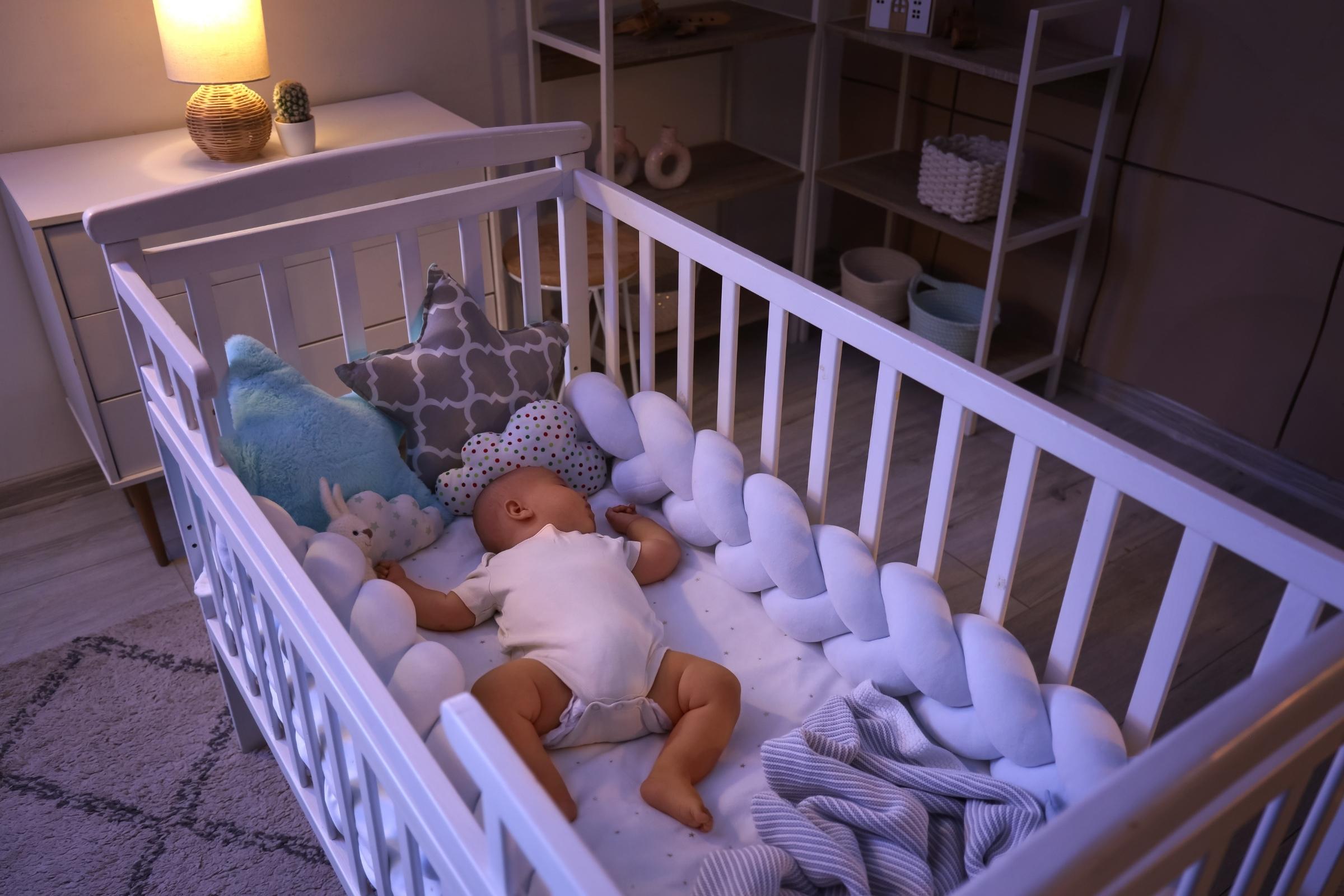
Summer nights in Portugal can be stifling, and few challenges rob parents of sleep like a baby who's uncomfortable in the heat. Because babies can't yet regulate their temperature well and can't move bedding away by themselves, it's up to us to create the conditions for a cooler, calmer night. We've gathered some simple, safe tips to help.
Note: this article is for information only and does not replace the advice of your paediatrician. If you notice signs of distress, such as very hot skin, floppiness, refusing to feed or inconsolable crying, contact the Portuguese health line SNS 24 (808 24 24 24) or, in an emergency, 112.
What's the ideal temperature for a baby's room?
The recommended temperature for a baby's room is generally between 18 °C and 22 °C. On a hot night this can be hard to maintain, but there's room to get closer to it:
Close blinds and curtains during the day to stop the room heating up.
Air it in the late afternoon and evening, opening the windows when the outside temperature drops.
If you use a fan, point it at a wall rather than directly at the baby, to circulate the air without blowing on them.
A room thermometer helps you get a real sense of the temperature.
How should you dress a baby to sleep on a hot night?
The golden rule is to dress them in less, not more. On a hot night, a short-sleeved cotton bodysuit or even just a nappy with a light bodysuit, is usually enough. Always favour natural fabrics, such as cotton, which let the skin breathe.
If you use a sleeping bag, choose a low-tog one (made for summer) and adjust the clothing underneath accordingly. The key is not to overheat the baby.
Is it safe to cool a baby with baths and damp cloths?
Yes. A lukewarm bath before bed helps lower body temperature and relax the baby. Through the night, you can gently wipe a cool, damp cloth over the nape, feet and hands if you notice they're hot. Avoid ice-cold water or direct draughts.
Does a baby need to drink more on hot nights?
It depends on age. Babies under 6 months should not drink water: in the heat, the recommendation is to offer milk more often (breast milk or formula), as that's how they stay hydrated. From 6 months, and with the introduction of solids, some water can also be offered, following your paediatrician's guidance.
How do you know if a baby is too hot?
To tell whether a baby is too warm, feel the nape of the neck or the chest, not the hands and feet, which are almost always cooler. Signs of being too hot include hot, clammy skin, sweating (especially on the head), a flushed face, faster breathing and restlessness. If so, remove a layer of clothing and cool the room.
An important safety note: to reduce risk, a baby should sleep on their back, on a firm mattress and without pillows, loose bedding, soft toys or excess blankets in the cot, recommendations that hold on cold nights too.
On the days and nights you need rest or support with your baby, having someone you trust makes a difference. That's also what our babysitters are for.
Frequently asked questions
What's the ideal temperature for a baby's room? Generally between 18 °C and 22 °C. In a hot room, it helps to close blinds during the day, air it at night and use a fan pointed at the wall, never directly at the baby.
How should you dress a baby to sleep in the heat? In little clothing and natural fabrics: a short-sleeved cotton bodysuit, or just a nappy with a light bodysuit, is usually enough. If you use a sleeping bag, choose a low-tog one made for summer.
How do I know if my baby is too hot? Feel the nape of the neck or the chest (not the hands and feet). Hot, clammy skin, sweating on the head, a flushed face, fast breathing and restlessness are signs of being too hot.
Should a baby drink water on hot nights? Babies under 6 months should not drink water; offer milk more frequently instead. From 6 months, some water can be given, following your paediatrician's guidance.