
EN / PT
Babysitter and Encouraging Physical Activity in Children: Practical Strategies for Everyday Life

Baby Sisters
Editor
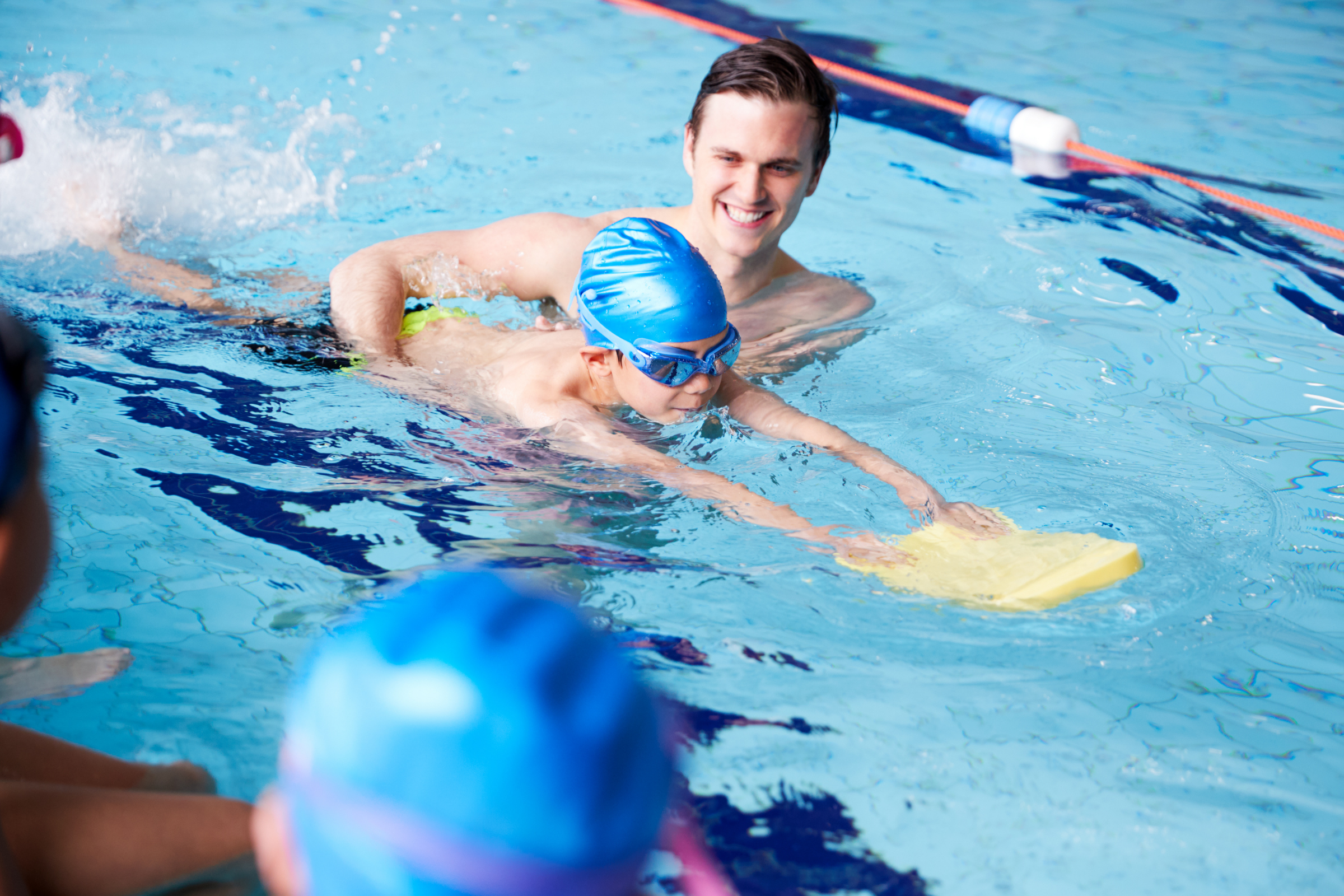
Physical activity is fundamental to healthy child development, contributing to muscle strengthening, emotional balance and overall well-being. With the right support, young ones learn to move with pleasure and incorporate movement into daily life. An experienced babysitter can play an essential role in this process, turning simple moments into opportunities for fun and movement.
At Baby Sisters, our professionals are trained to stimulate physical activity gradually and respectfully, adapting to each child’s pace and age. This article presents a clear and practical guide with five essential topics so that time with the babysitter effectively contributes to your children’s physical and emotional development.
1. Why Physical Activity Is Essential in Child Development
Regular physical activity improves motor coordination, concentration and mood in children. When integrated in a fun way, it reduces sedentary behaviour and promotes healthy habits that last a lifetime.
2. The Babysitter’s Role in Encouraging Physical Activity
The babysitter acts as an active and consistent facilitator, creating a safe and motivating environment where the child can explore movement without pressure, always with positive encouragement and respect for individual limits.
3. Practical Strategies Used by Baby Sisters Babysitters
Strategy | How It Is Implemented in Practice | Main Benefit for the Child |
Outdoor or indoor games | Running, dancing or simple circuits with music | Increases coordination and enjoyment of movement |
Sensory and motor activities | Obstacle courses with cushions or balance games | Develops strength, balance and confidence |
Integration with daily tasks | Dancing while tidying toys or morning stretches | Makes movement a natural part of the routine |
Exploration of adapted sports | Mini-football, children’s yoga or team games | Stimulates teamwork and persistence |
4. How to Adapt Strategies to the Child’s Age
Each stage requires a different level of support. For the youngest (2–4 years), the focus is on short, free exploration; for older children (5–10 years), duration and complexity increase, always with positive encouragement and without performance demands.
5. How Parents Can Reinforce the Babysitter’s Work at Home
Consistency is essential. Sharing the activities carried out, setting aside time for family movement and celebrating effort (not just results) allows the child to see physical activity as a value shared by the whole family.
Conclusion
Stimulating physical activity does not require sophisticated equipment or strict plans, but rather consistent guidance and a fun environment. With the support of a Baby Sisters babysitter, this process becomes more natural, harmonious and effective. Our professionals create a space where every child can move, have fun and develop body and mind in a balanced way.
If you wish your children to cultivate active habits and greater vitality, contact us today. A dedicated babysitter can make all the difference in your family’s daily life.
Frequently Asked Questions
Do Baby Sisters babysitters encourage physical activity in children? Yes. All are trained to promote movement gradually and according to age.
Can I request specific activities to work on physical activity? Yes. You can share your goals and the babysitter will adapt the plan to the family’s needs.
Are physical activity strategies charged extra? No. They are included in the regular or occasional service.
How do I know if my child is benefiting from physical activity? You receive regular updates with observations on involvement, energy and daily progress.