
EN / PT
The Babysitter and Emerging Literacy Development: Practical Strategies to Stimulate Language and Curiosity

Baby Sisters
Editor
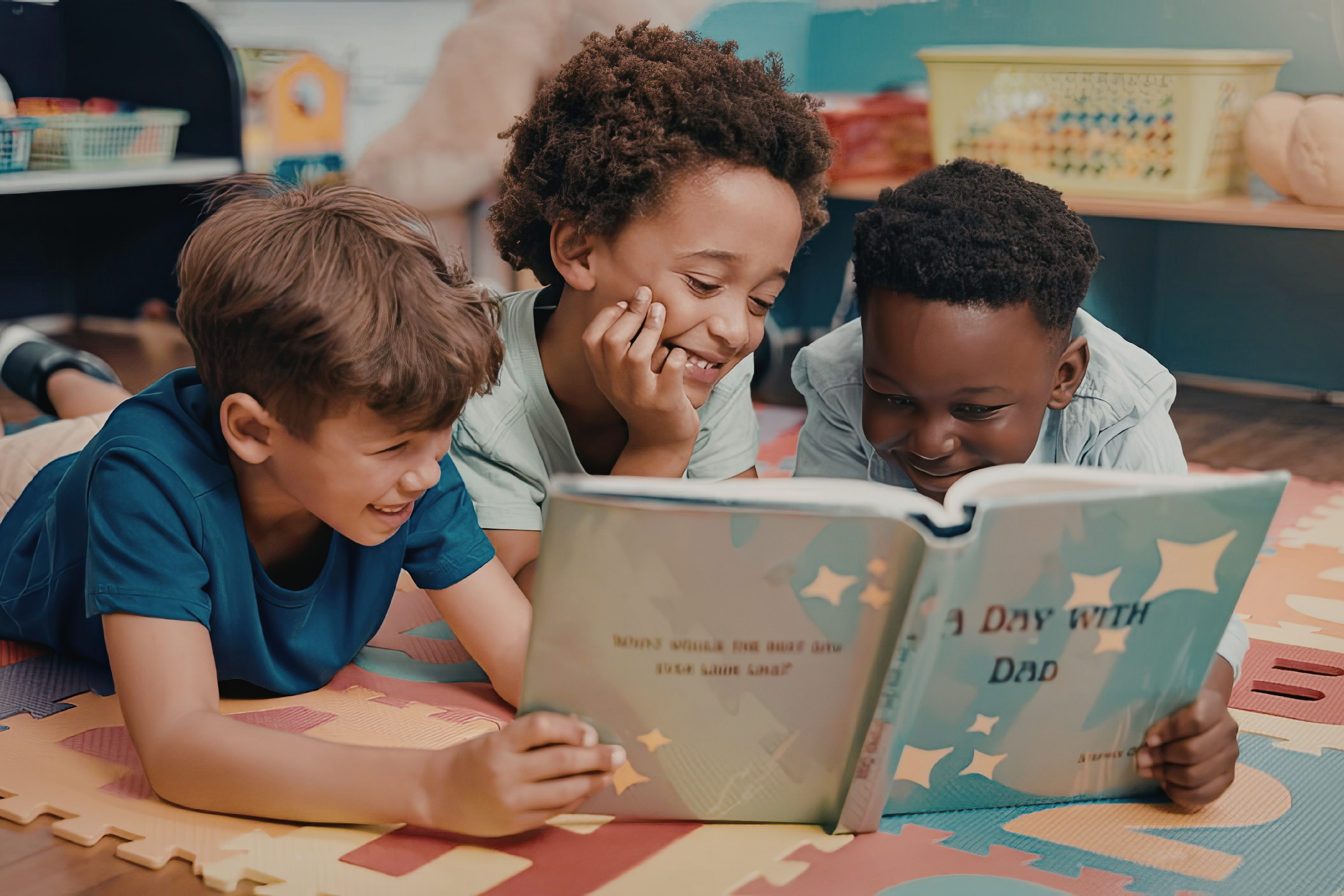
The journey of literacy does not begin on the first day of school, but rather in the comfort of the home, through every word heard and every story shared. Emerging literacy refers to the set of skills and concepts that a child develops before formally learning to read and write. In this context, the babysitter assumes a fundamental pedagogical role: she is the mediator between the child and the vast universe of language. At Baby Sisters, we believe that the presence of an attentive professional allows simple routines to be transformed into moments of intellectual discovery, cultivating an insatiable curiosity that will serve as the foundation for all future academic success.
1. Exposure to Oral Narrative and Enriched Dialogue
A qualified babysitter understands that the infant brain is highly receptive to auditory stimuli. By using constant dialogue rich in adjectives to narrate the day's activities, the professional helps expand the child's passive and active vocabulary. Phrases such as "Observe how these autumn leaves are crunchy and golden" instead of a simple "Look at the leaves," make a profound difference in the complexity of the neural connections the child establishes.
2. Storytime as a Connection and Empathy Ritual
Shared reading goes far beyond deciphering letters. The professional uses "dialogic reading," encouraging the child to participate in the story by asking open-ended questions about the characters' motivations or predicting alternative endings. This daily ritual not only strengthens the emotional bond but also develops abstraction skills and empathy, allowing the child to step into another's shoes through the narrative.
3. Creating a Literacy-Rich Environment at Home
The organisation of physical space directly influences a child's interest. The babysitter acts as a curator of the environment, organising "book baskets" by theme or creating a cosy reading corner with cushions and soft lighting. By ensuring that books are physically accessible and integrated into the play area, the professional normalises the "book" as a primary source of entertainment and comfort.
4. Phonological Awareness through Games and Rhymes
Playing with sounds is a crucial step toward literacy. Through traditional nursery rhymes and alliteration games (such as identifying objects that start with the same letter), the babysitter helps the child perceive that words are composed of smaller sound units. This playful auditory training is one of the greatest predictors of ease in learning to read in subsequent school years.
5. Functional Writing and Symbol Interpretation
Writing should be presented as a useful and living tool. The professional involves the child in everyday tasks, such as drawing ingredients for a recipe or "writing" a postcard to a family member. By observing the babysitter taking notes or reading instructions, the child understands that graphic symbols carry meaning and serve to communicate ideas, awakening a natural desire to master this technology.
Table: Literacy Evolution with Personalised Support
Age Group | Babysitter's Activity | Pedagogical Objective |
0-12 Months | Reading texture and contrast books. | Sensory stimulation and visual focus. |
1-3 Years | Naming objects and repeating rhymes. | Active vocabulary expansion. |
3-5 Years | Retelling stories and free drawing. | Narrative and symbolic structure development. |
Conclusion
In conclusion, the development of emerging literacy is an organic process that flourishes when there is adequate stimulation and support. A babysitter who values the written and spoken word transforms daily life into a stage for learning, preparing the child not only for school but for a lifetime of full understanding and expression.
Frequently Asked Questions (FAQ)
At what age should the babysitter start reading to the child? From day one. Although the infant does not understand the plot, they benefit from the rhythm, intonation, and melody of the babysitter's voice, which creates a positive and affectionate association with language.
How can the babysitter encourage a child who only prefers physical play? The professional should integrate literacy into movement. For example, creating a "treasure hunt" with drawn clues or reading action books where the child must mimic the movements of the animals described.