
EN / PT
Babysitter and Developing Emotional Intelligence in Children: Practical Strategies for Everyday Life

Baby Sisters
Editor
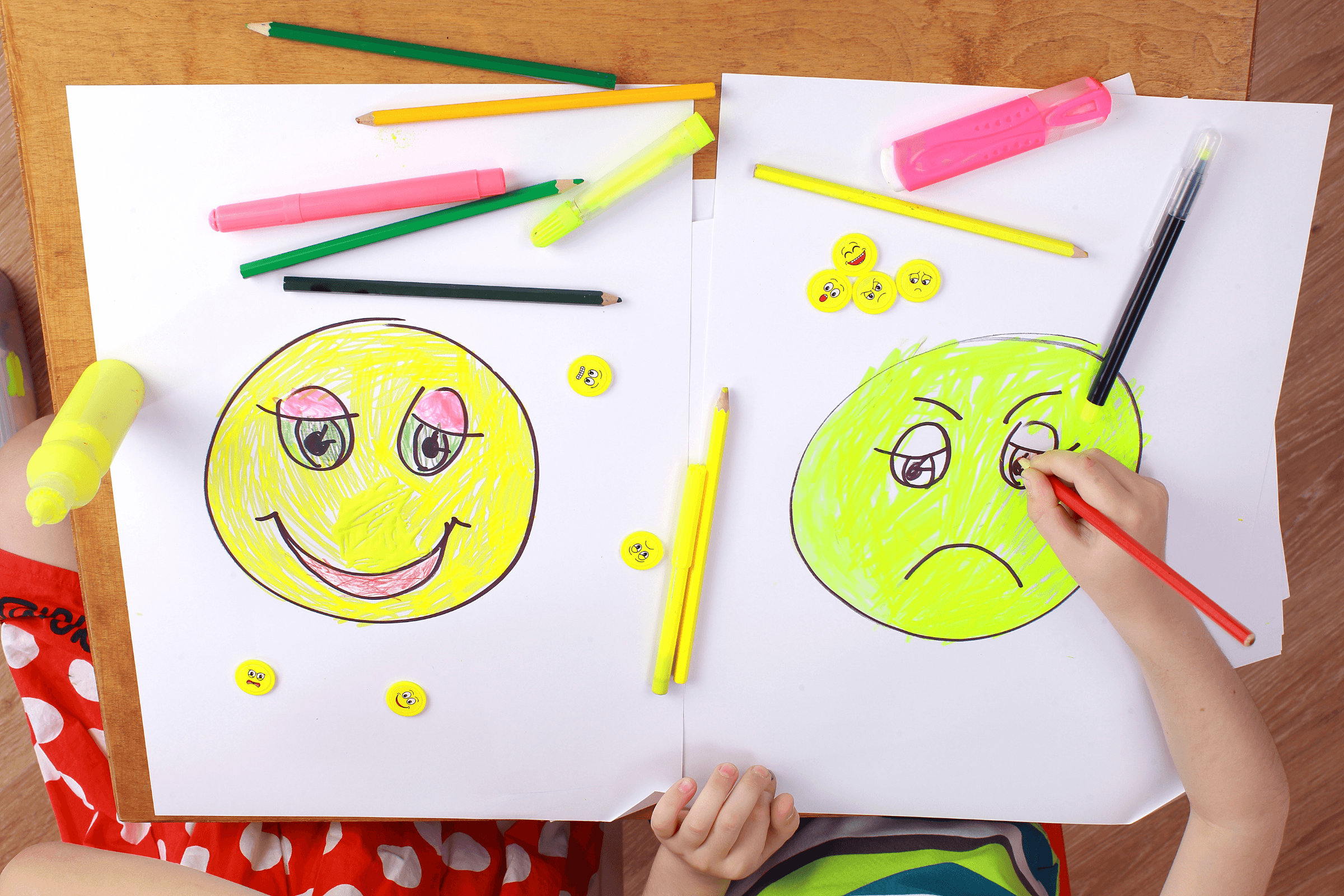
Emotional intelligence is one of the most important skills for children’s well-being, enabling them to identify, understand and manage their own emotions and those of others. With appropriate support, young ones develop empathy, resilience and healthy relationships. An experienced babysitter can play a key role in this process, turning everyday moments into opportunities for emotional growth.
At Baby Sisters, our professionals are trained to stimulate emotional intelligence gradually and respectfully, adapting to each child’s pace and age. This article presents a clear and practical guide with five essential topics so that time with the babysitter effectively contributes to your children’s emotional development.
1. Why Emotional Intelligence Is Essential in Child Development
Emotional intelligence helps children cope with frustrations, build positive relationships and develop greater self-esteem. When cultivated from an early age, it promotes emotional balance and prepares them for future challenges with increased confidence and empathy.
2. The Babysitter’s Role in Encouraging Emotional Intelligence
The babysitter acts as an attentive and consistent guide, offering a safe environment where the child can express emotions freely and learn to manage them in a healthy way, always with patience and positive encouragement.
3. Practical Strategies Used by Baby Sisters Babysitters
Strategy | How It Is Implemented in Practice | Main Benefit for the Child |
Emotion identification | Use of cards or stories to name feelings | Develops emotional self-awareness |
Healthy expression of emotions | Activities such as drawing or guided conversation | Reduces impulsive behaviour |
Empathy through role-play | Simulation of social situations with dolls | Strengthens understanding of others’ feelings |
Emotional regulation techniques | Simple breathing exercises and calm moments | Increases resilience and emotional control |
4. How to Adapt Strategies to the Child’s Age
Each stage requires a different level of support. For the youngest (2–4 years), the focus is on basic emotion identification; for older children (5–10 years), complexity increases with discussions on causes and solutions, always with positive encouragement.
5. How Parents Can Reinforce the Babysitter’s Work at Home
Consistency is essential. Sharing what was worked on during the day, using the same emotional language and celebrating progress allows the child to see emotional intelligence as a value shared by the whole family.
Conclusion
Developing emotional intelligence is not an isolated process, but rather a journey that benefits from consistent and caring guidance. With the support of a Baby Sisters babysitter, this journey becomes more natural, harmonious and effective. Our professionals create an environment where every child can grow emotionally, learn to manage feelings and build healthier relationships.
If you wish your children to develop greater emotional balance and empathy, contact us today. A dedicated babysitter can make all the difference in your family’s daily life.
Frequently Asked Questions
Do Baby Sisters babysitters develop emotional intelligence in children? Yes. All are trained to promote emotional development gradually and according to age.
Can I request specific activities to work on emotional intelligence? Yes. You can share your goals and the babysitter will adapt the plan to the family’s needs.
Are emotional intelligence strategies charged extra? No. They are included in the regular or occasional service.
How do I know if my child is progressing emotionally? You receive regular updates with observations on behaviour and daily emotional progress.