
EN / PT
Babysitter and Children’s Independence Development: Strategies to Encourage Autonomy

Baby Sisters
Editor
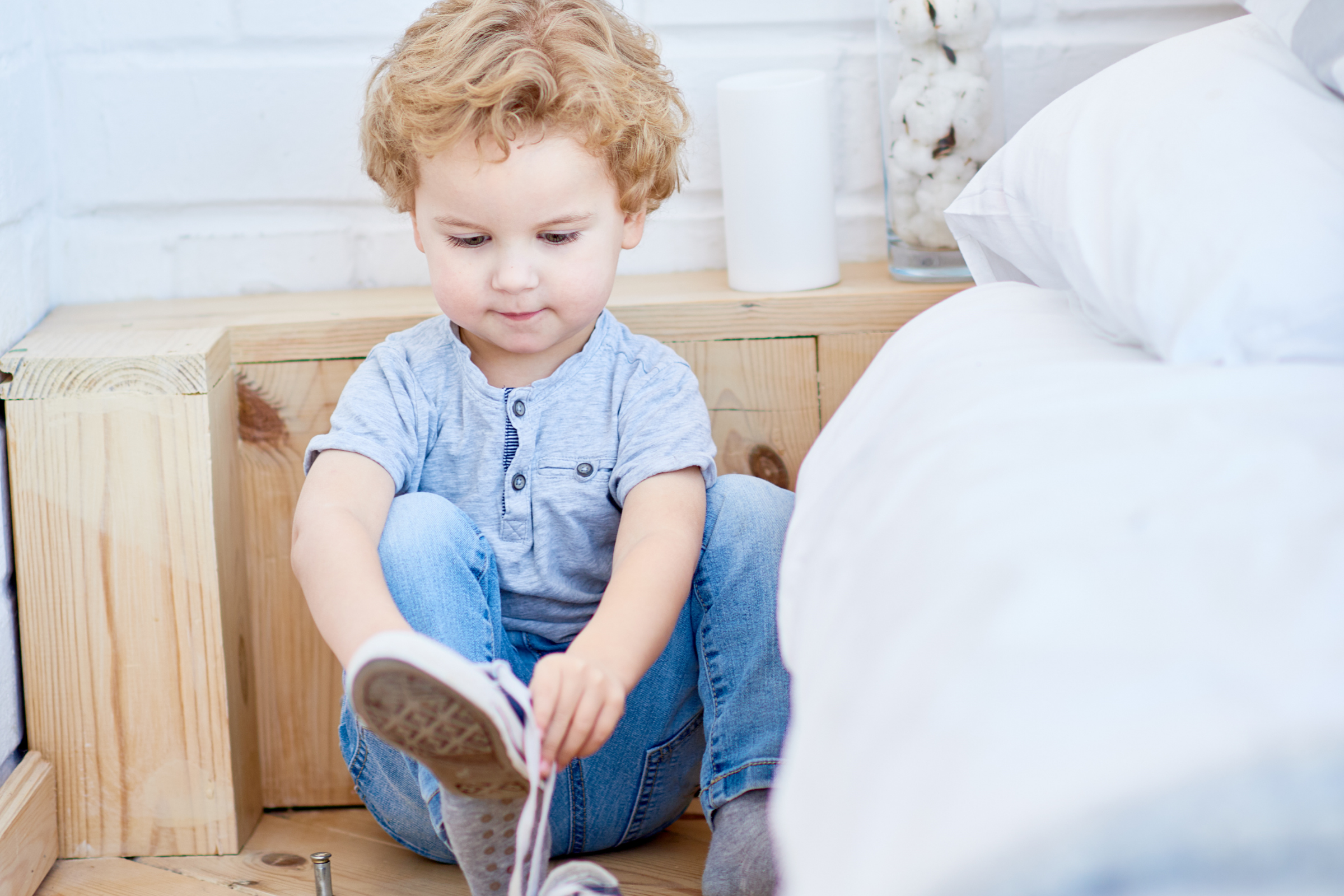
Teaching children to be more independent is one of the greatest gifts we can give them. When a child learns to dress themselves, tidy their toys or solve small everyday problems, they gain confidence, self-esteem and a sense of control over their world.
However, many parents find it difficult to balance the desire to protect their children with the need to give them space to grow. An experienced babysitter can be an essential partner in this process. At Baby Sisters, our professionals are trained to encourage autonomy in a gradual, safe and respectful way, turning everyday tasks into valuable opportunities for learning and growth.
1. Why Developing Independence Matters
Independence helps children develop resilience, responsibility and self-confidence. When the babysitter encourages these skills, children become more secure, more collaborative and better prepared for the challenges of school and life.
2. Practical Strategies Used by Baby Sisters Babysitters
Strategy | How It Is Done in Practice | Benefit for the Child and Parents |
Age-appropriate tasks | Dressing, tidying toys, choosing clothes | Develops autonomy and sense of responsibility |
“I do, you watch” method | Babysitter demonstrates, then the child tries with support | Increases confidence and reduces frustration |
Routine of small responsibilities | Watering plants, packing school bag, setting the table | Creates habits of collaboration and personal pride |
Positive encouragement | Specific and sincere praise (“You did it by yourself!”) | Reinforces self-esteem and motivation |
Guided problem-solving | Questions that help the child find solutions | Develops critical thinking and resilience |
3. How Baby Sisters Implements Independence Development
Parents share the skills they want to work on and the child’s current level.
We select the babysitter with experience in promoting autonomy.
We create a personalised weekly plan together.
The babysitter implements the activities daily in a gradual and positive way.
Parents receive a weekly report with progress, challenges and suggestions for continuity at home.
4. Common Mistakes Parents Make and How to Avoid Them
Doing everything for the child → prevents the development of autonomy.
Expecting too much too soon → creates frustration and insecurity.
Not giving positive feedback → the child loses motivation.
With Baby Sisters, these mistakes are easily avoided through a personalised plan and close support.
5. Short- and Long-Term Benefits
Short term: more collaborative children, less dependence and calmer parents.
Long term: more autonomous, resilient and confident adults, better equipped to face life’s challenges.
Conclusion
Encouraging independence does not mean leaving children alone — it means giving them the right support at the right time so they can grow secure and confident. When the babysitter actively participates in this process, she turns everyday tasks into valuable opportunities for learning and self-discovery.
At Baby Sisters, we believe that an independent child is a happier and better-prepared child for the future. If you want the time with your babysitter to contribute to your children’s independence, contact us today. We can help build a personalized plan that respects your family’s rhythm and promotes balanced growth. Because when children learn to do things for themselves, parents gain time, peace of mind and the pride of watching them grow with confidence.
Frequently Asked Questions
Do Baby Sisters babysitters encourage children’s independence? Yes. All are trained to promote autonomy in a gradual and safe way.
Can I define which skills I want to work on? Yes. You can share specific goals and we will monitor progress together.
Are independence activities charged extra? No. They are included in the regular service.
How do I know if my child is progressing? You receive a weekly report with concrete examples and suggestions for continuity at home.