
EN / PT
Babysitter and Children’s Digital Well-Being: Strategies for Healthy Screen Use

Baby Sisters
Editor
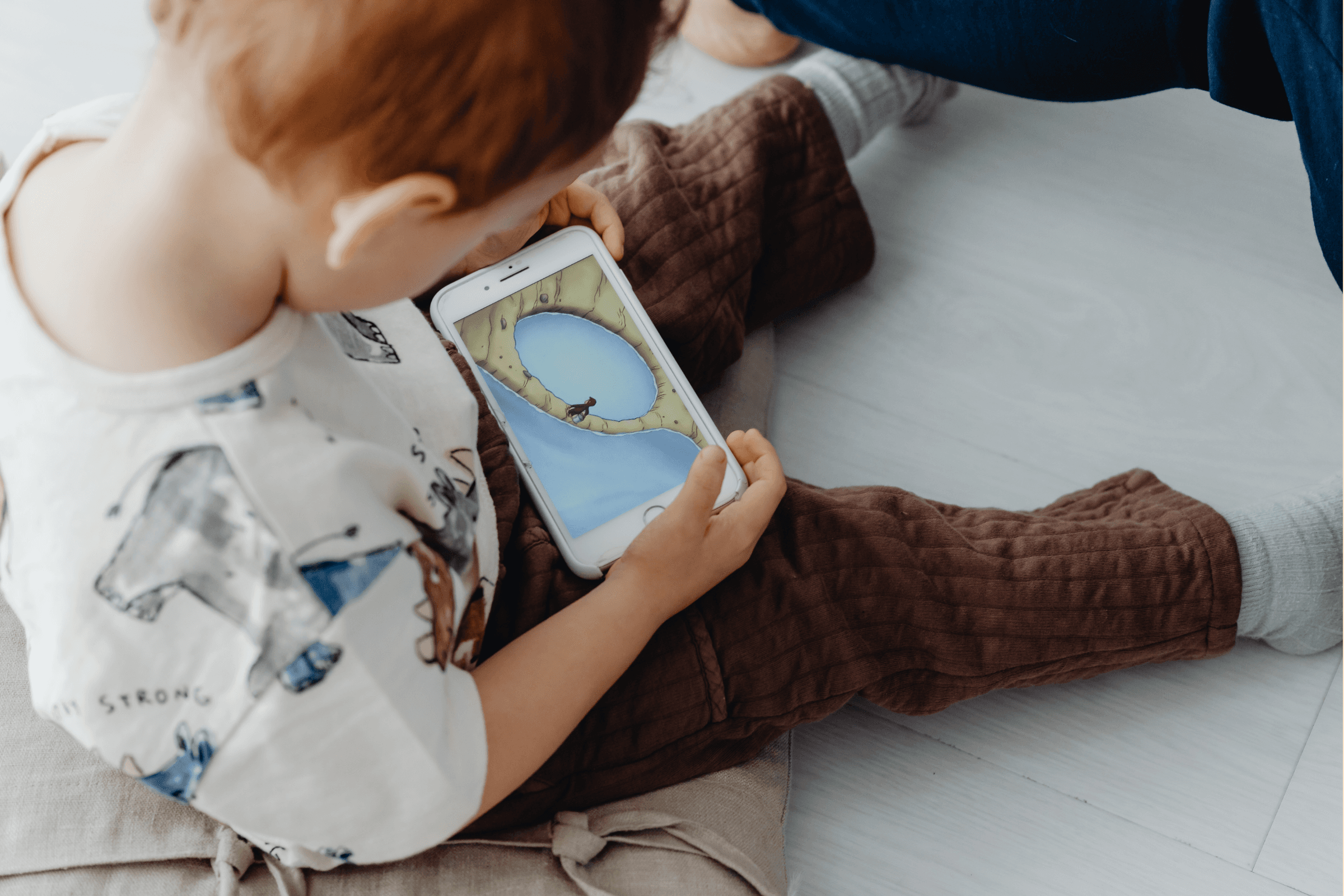
Screens are now part of children’s lives from a very early age. Tablets, smartphones and television can be useful tools for learning or distraction, but when use is excessive or unsupervised, they can affect sleep, concentration, emotional development and even family relationships.
Many parents feel lost when trying to balance screen time with real-life activities and quality moments. An experienced babysitter can be a valuable ally in this area. At Baby Sisters, our professionals are trained to manage screen time consciously, promoting balanced use and turning digital time into a positive complement to children’s development.
1. Why Digital Well-Being Matters
Excessive screen use can reduce outdoor play time, affect sleep and limit the development of social and emotional skills. An attentive babysitter helps set clear boundaries, chooses appropriate content and balances digital time with enriching offline activities.
2. Practical Strategies Used by Baby Sisters Babysitters
Strategy | How It Is Done in Practice | Benefit for the Child and Parents |
Clear screen-time rules | Defined schedules agreed with parents | Reduces conflicts and creates consistency |
Conscious content selection | Selects educational and age-appropriate apps and videos | Stimulates learning instead of passivity |
Alternation with offline activities | After 30-45 minutes of screen time, suggests physical or creative play | Promotes balance and reduces sedentary behaviour |
Active monitoring | Close supervision without constant interruption | Prevents inappropriate content and ensures safety |
Reflection after use | Short conversation about what the child saw or learned | Develops critical thinking and digital awareness |
3. How Baby Sisters Implements Digital Well-Being
Parents share the family’s rules and screen-time limits.
We select the babysitter with specific training in digital education and child development.
We create a balanced weekly plan together.
The babysitter implements the daily rules, adapting to the child’s mood and energy.
Parents receive a daily report with screen time used, content viewed and improvement suggestions.
4. Common Mistakes Parents Make and How to Avoid Them
Letting the babysitter decide screen time alone → consistency is lost.
Using screens as an “electronic babysitter” without supervision → increases the risk of inappropriate content.
Not agreeing rules with the babysitter → the child becomes confused between home and external care.
With Baby Sisters, these mistakes are easily avoided through clear communication and joint planning.
5. Short- and Long-Term Benefits
Short term: calmer children, fewer conflicts at switch-off time and more relaxed parents.
Long term: healthy digital habits that accompany the child into adulthood, greater concentration, better sleep and a more balanced relationship with technology.
Conclusion
Digital well-being does not mean banning screens, but rather using them consciously and in balance. When the babysitter actively participates in this management, she turns screen time into a positive complement to children’s development, rather than a source of worry.
At Baby Sisters, we believe that caring for children’s relationship with technology is caring for their future. If you feel that screen use at home needs more balance, clear limits and peace of mind, contact us today. We can help build a healthy digital routine with dedicated and trained professionals. Because when children use technology mindfully, the whole family gains in harmony, concentration and quality moments.
Frequently Asked Questions
Do Baby Sisters babysitters have training in digital well-being? Yes. All receive ongoing training in this area.
Can I set specific screen-time limits? Yes. You can share the family rules and we will adjust together.
Does the babysitter supervise the content the child watches? Yes. She always chooses and monitors age-appropriate content.
Is this service charged extra? No. Digital well-being management is included in the regular service.