
EN / PT
Babysitter and Creating Healthy Routines for Children: Practical Strategies for Everyday Life

Baby Sisters
Editor
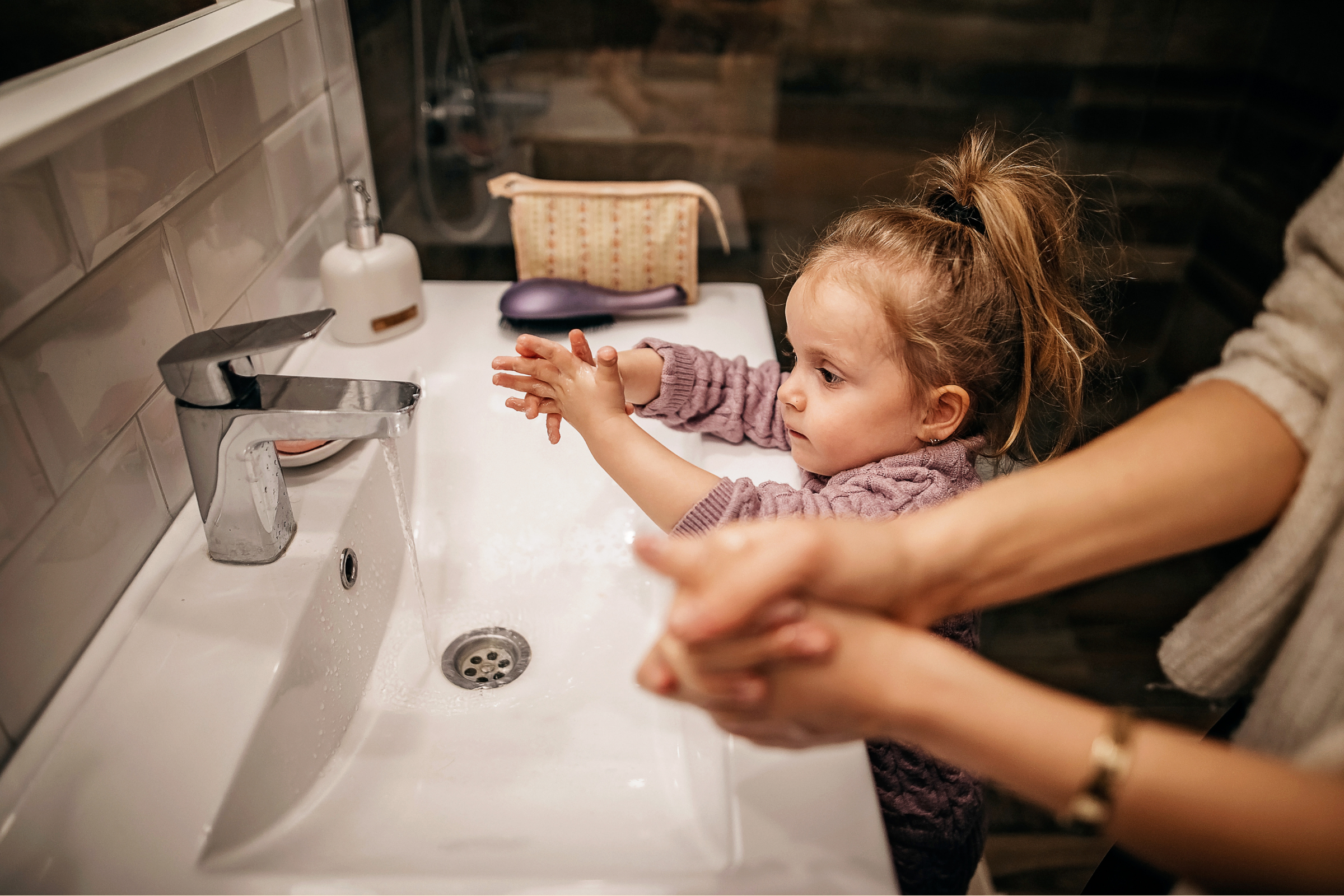
A balanced routine is one of the most effective tools for promoting children’s physical and emotional well-being. When well structured, it helps reduce anxiety, improves sleep, facilitates healthy eating and creates a sense of security and predictability. An experienced babysitter can be a valuable ally in building and maintaining these routines, turning everyday life into a more harmonious experience for the whole family.
At Baby Sisters, our professionals are trained to implement personalised routines gradually and respectfully, adapting to each child’s pace and specific needs. This article presents a clear and practical guide with five essential topics so that time with the babysitter effectively contributes to your children’s balance and well-being.
1. Why Healthy Routines Are Fundamental for Children
Routines provide structure, reduce stress and help children develop positive habits that last a lifetime. A consistent routine favours better concentration, restorative sleep and greater emotional stability.
2. The Babysitter’s Role in Creating Healthy Routines
The babysitter acts as a calm and consistent facilitator, establishing and maintaining daily routines in a natural way, always in coordination with parents and respecting each family’s particularities.
3. Practical Strategies Used by Baby Sisters Babysitters
Strategy | How It Is Implemented in Practice | Main Benefit for the Child |
Visual morning and bedtime routine | Illustrated board with wake-up, meal and sleep times | Creates predictability and reduces resistance |
Fixed meal moments | Preparation and consumption of meals at regular times | Promotes healthy eating habits |
Dedicated physical activity time | 30 minutes of structured daily movement | Improves energy and sleep quality |
Sleep transition ritual | Reading, relaxation and soft lighting before bed | Facilitates falling asleep and improves rest quality |
4. How to Adapt Routines to the Child’s Age and Pace
Each stage requires a different level of flexibility. For the youngest (2–4 years), routines are shorter and more visual; for older children (5–10 years), the child’s participation in setting times increases, always with gentle and positive adjustments.
5. How Parents Can Maintain Routine Continuity at Home
Consistency between the babysitter and the family is essential. Sharing the daily plan, keeping the same times on days off and celebrating adherence to the routine allows the child to internalise balance as something natural and safe.
Conclusion
A healthy routine is not synonymous with rigidity, but rather with balance, predictability and well-being. With the support of a Baby Sisters babysitter, it is possible to create and maintain routines that benefit the whole family, reducing stress and promoting lasting habits. Our professionals turn everyday life into a calmer, more organised and happier experience.
If you wish your children to benefit from balanced routines and greater daily tranquillity, contact us today. A dedicated babysitter can make all the difference in your family’s harmony.
Frequently Asked Questions
Does a Baby Sisters babysitter help create healthy routines? Yes. All are trained to implement and adapt personalised routines according to each family’s needs.
Can I set specific times or rules for the routine? Yes. You can share your preferences and the babysitter will adjust the plan together with you.
Are routines charged extra? No. They are included in the regular or occasional service.
How do I know if the routine is working well for my child? You receive regular updates with observations on sleep, appetite, energy and daily adaptation.