
EN / PT

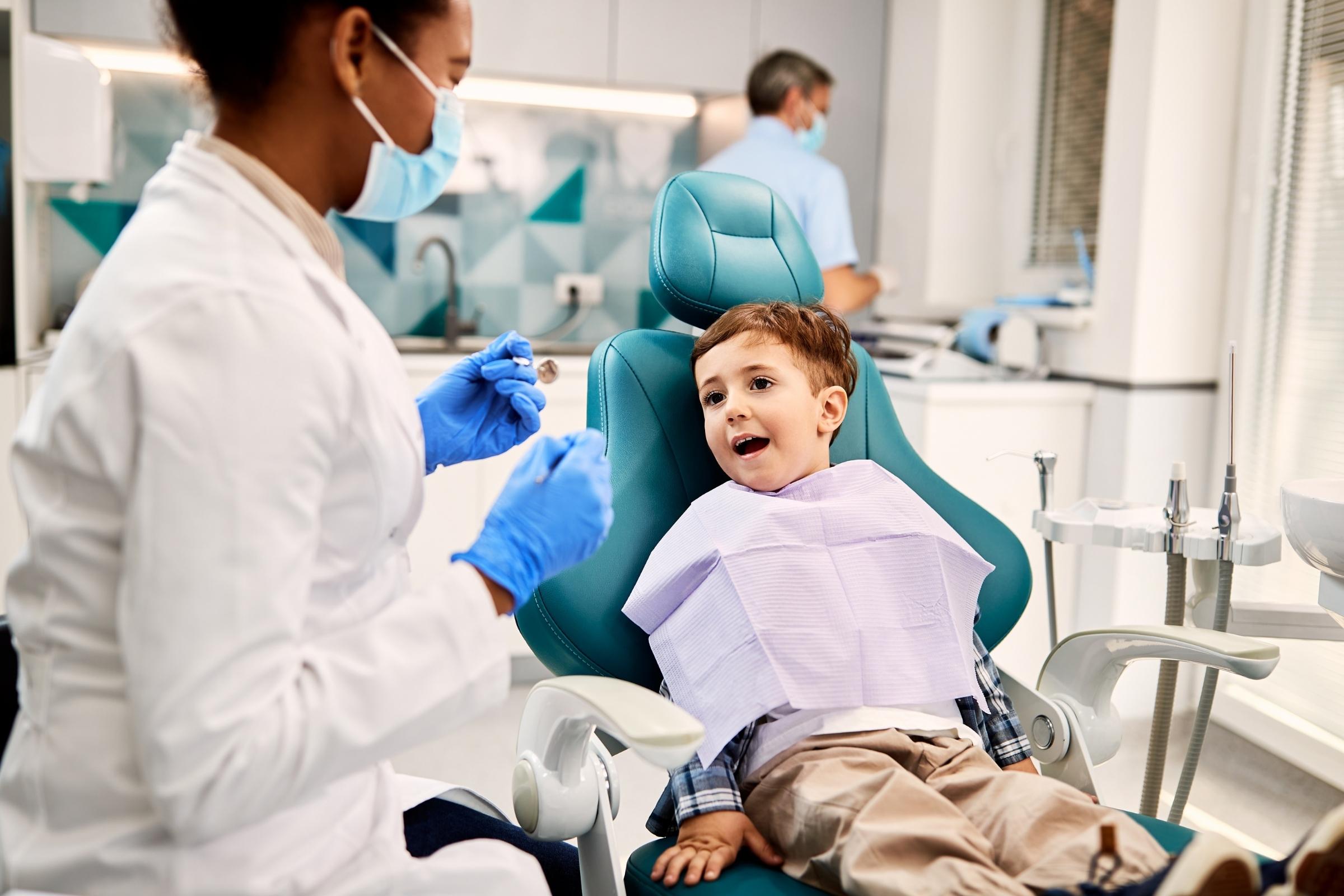
Fear of the dentist is very common in children, the new environment, the sounds and the feeling of not being in control can all cause anxiety. The good news is that, with the right preparation, you can turn a dental visit into a calm and even positive experience. This guide helps you prepare for that first visit.
When should the first dental visit be?
The first visit should generally happen around the first birthday or when the first teeth appear. Starting early, even before there's any problem, helps the child get used to the environment and associate it with something normal and painless.
Why are children afraid of the dentist?
Fear usually comes from the unknown: a different space, strange instruments, the position in the chair and the sense of losing control. Sometimes it's also passed on unintentionally by adults, through phrases, expressions or stories that link the dentist to something negative.
How do you prepare a child for the appointment?
A few strategies that help:
Talk naturally and in advance, explaining what will happen in simple, positive words.
Read books or watch children's videos about going to the dentist.
Play "dentists" at home, counting the teeth of their toys.
Book the appointment for a time when the child is rested, not hungry or tired.
Let them bring a comfort object (a soft toy, for example).
What should you avoid saying (and doing)?
Avoid words like "pain", "jab", "injection" or "it won't hurt" (which paradoxically introduces the idea of pain). Also avoid over-the-top bribes or passing on your own anxiety. Choose calm, honest and reassuring language, and let the professional explain the procedures to the child.
What if the child cries or refuses?
It's normal. Stay calm, don't force or punish, and value every small step. Dentists experienced with children (paediatric dentists) are used to these situations and know how to build trust. If a first visit goes less well, don't give up — getting used to it is gradual.
Consistency across carers helps: when who accompanies the child, keeps the same calm approach, reinforces security.
Frequently asked questions
When should the first dental visit be? Around the first birthday or when the first teeth appear.
How do you prepare a child who's afraid of the dentist? By talking naturally and in advance, reading books on the topic, playing "dentists" at home and bringing a comfort object.
What shouldn't I say before the appointment? Avoid words like "pain", "jab" or "it won't hurt", and don't pass on your own anxiety. Choose calm, positive language.
What if the child cries at the appointment? It's normal. Don't force or punish; value progress. Paediatric dentists are ready to build trust gradually.