
EN / PT

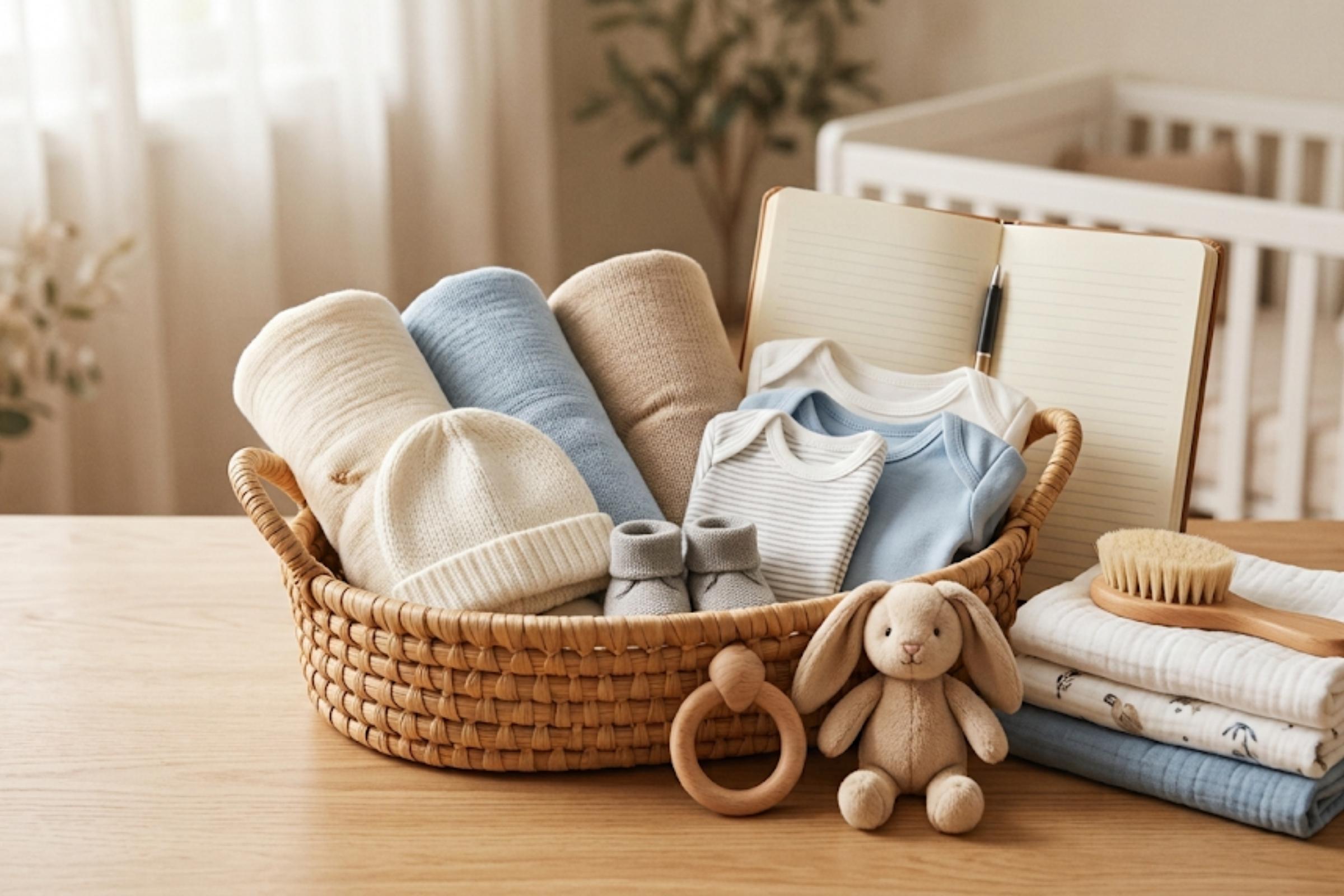
Preparing for a baby's arrival is exciting and the "to buy" list can feel endless.
The good news: the essentials are fewer than you might think, and a lot can wait or be bought gradually.
We've gathered a checklist organised by area, with what you really need for the early days, to help you prepare everything without stress (or overspending).
What are baby essentials (the layette)?
The layette is the set of clothing, accessories and items you prepare to welcome your baby from what they'll wear to items for sleep, hygiene, feeding and outings. You don't need everything on the day of the birth: what matters is to secure the essentials for the early days and complete the rest as real needs arise.
What clothing should you prepare?
Buy just a few pieces in each newborn size (babies grow fast) and choose soft, easy-to-put-on fabrics:
Bodysuits and babygrows (easy-opening).
Tops and trousers or comfortable sets.
Socks, a hat and scratch mittens.
A warmer coat or snowsuit, depending on the season.
Bibs and muslin cloths (useful for winding).
What's needed for the baby to sleep?
For safe sleep, the essentials are simple:
A cot or Moses basket with a firm, well-fitted mattress.
Fitted sheets (no pillows, soft toys or loose bedding).
A sleeping bag or light blankets suited to the season.
A monitor, if you'd like one.
What to include for hygiene and nappy changing?
Newborn nappies and wipes or cotton wool.
A changing mat or a safe surface for changing.
A baby bath, hooded towels and gentle hygiene products.
A thermometer, baby nail scissors and nappy-area cream.
What to prepare for feeding?
It depends on how you'll feed your baby:
If breastfeeding: breast pads, nipple cream and, if you like, a nursing pillow; possibly a breast pump.
If using bottles: age-appropriate bottles, teats, a bottle brush and a steriliser.
Bibs and winding cloths are useful either way.
What's needed for outings and travel?
A car seat (group 0+), mandatory for leaving the hospital and for any car journey.
A pram or carrycot suitable for a newborn.
A baby carrier or sling, if you like to carry your baby close.
A changing bag to take the essentials when you're out.
What can wait (and not buy yet)?
Many items can wait until you understand your real needs: toys, a high chair, larger-size clothing, some gadgets. Over-buying at the start is one of the most common mistakes because babies grow fast and each family discovers what they actually use. Accepting borrowed clothes and equipment is also a great option, especially for things used only briefly.
And after your baby arrives?
With the layette ready, the next step is the hospital bag: see our complete checklist of what to pack in your hospital bag.
And in the first weeks at home, having support makes all the difference: that's what the Baby Sisters maternity nurse and newborn support service is for.
Frequently asked questions
What is truly essential in a baby's layette?
Newborn-size clothing (bodysuits, babygrows), items for safe sleep (cot, firm mattress, sheets), nappies and hygiene, what you need for feeding, and a car seat for travel.
When should you prepare the layette?
Ideally in the last weeks of pregnancy, securing the essentials for the early days. The rest can be bought gradually, as needs arise.
How much newborn clothing should I buy?
Just a few pieces of each, since babies grow very fast and the newborn size lasts only a short time.
What can I leave to buy later?
Toys, a high chair, larger-size clothing and many accessories can wait until you understand your baby's and family's real needs.